[ad_1]
Marine protection falls short of the 2020 target, a UN treaty and lessons from Antartica could help
World leaders pledged to establish a network of marine protected areas (MPAs) with the goal to protect 10% of the world’s oceans by 2020, but MPAs only cover 7.66% of the ocean across the globe. University of Canterbury’s Natasha Blaize Gardiner and University of Colorado Boulder’s Cassandra Brooks weigh in on what we can do to improve the situation on The Conversation.
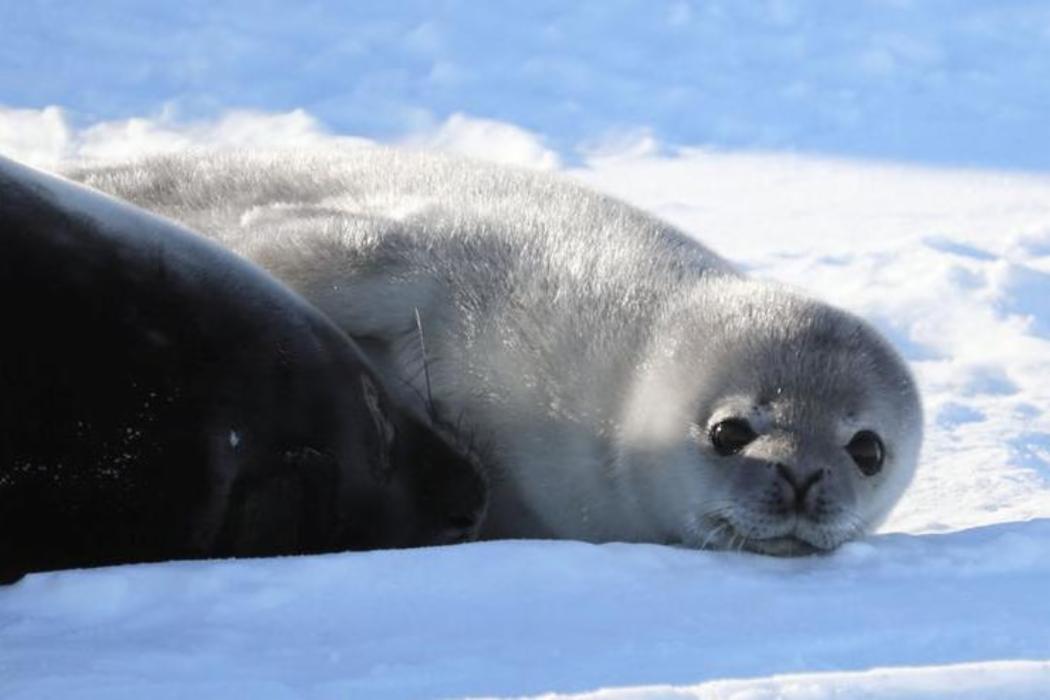
Currently, the world’s largest marine protected area is in the Ross Sea region off Antarctica. Natasha Gardiner, CC BY-ND
These international waters, known as the high seas, harbour a plethora of natural resources and millions of unique marine species.
But they are being damaged irretrievably. Research shows unsustainable fisheries are one of the greatest threats to marine biodiversity in the high seas.
According to a 2019 global assessment report on biodiversity and ecosystem services, 66% of the world’s oceans are experiencing detrimental and increasing cumulative impacts from human activities.
In the high seas, human activities are regulated by a patchwork of international legal agreements under the 1982 UN Convention on the Law of the Sea (UNCLOS). But this piecemeal approach is failing to safeguard the ecosystems we depend on.
[ad_2]
More at the source