
[ad_1]
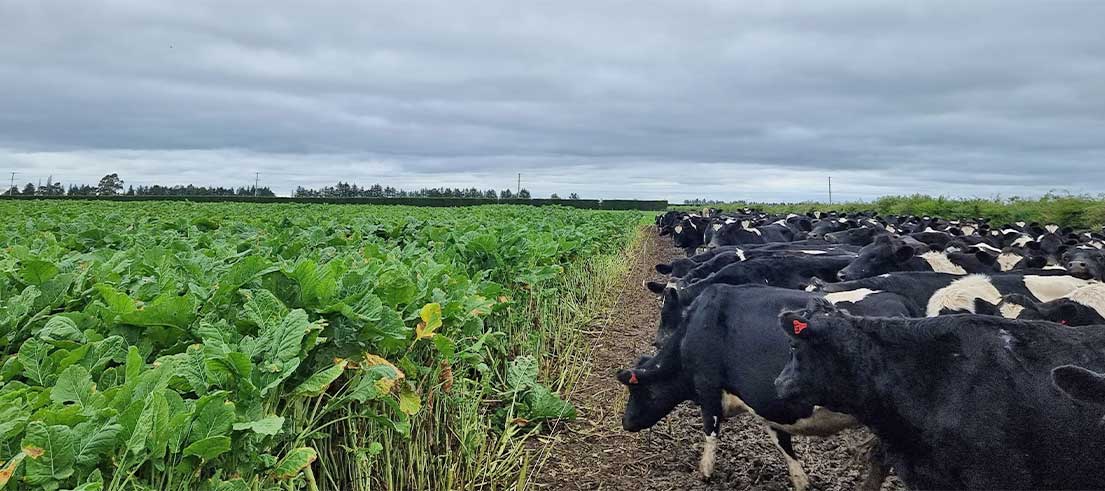
Good preparation will pay off as stock graze over winter
Information from flights gives us confidence that Canterbury farmers have adopted good management practices when setting up their wintering paddocks to minimise the environmental risks that come with winter grazing.
In early May, we conducted two flights – one in Ashburton and one in Waimakariri – to observe how paddocks had been prepared for the upcoming winter grazing season.
Two of our field staff were joined by an industry representative on each flight. They looked for signs that appropriate paddocks had been selected, and that critical source areas and waterways were being well protected.
Well set for safe winter grazing
Principal Farm Systems Advisor Sarah Heddell says that results from the flights in May were largely pleasing, with no locations of serious concern observed.
“Our team saw good buffer setbacks, especially in foothill areas, and evidence that most farmers had selected paddocks carefully to avoid winter grazing in areas with more critical source areas,” Heddell says.
“Our field staff have followed up with farmers who have set up very well, as well as others where we observed minimal setbacks from critical source areas, giving them advice on making sure they follow a robust winter grazing plan that will ensure good environmental outcomes once stock are introduced over winter.”
Further flights will show winter grazing in action
We will be undertaking two more flights over winter to observe winter grazing practices in action.
Like the flights that took place in early May, the winter flights will take place in a fixed-wing aircraft over the Waimakariri and Ashburton regions.
Heddell says that these flights will observe how farmers are putting good grazing practices into play and ensuring winter grazing management plans are being followed.
“We’ve seen how people have set up their paddocks for good winter grazing, so with these next flights, we’re looking for practice in action,” Heddell says.
“This includes things like back fencing being used, portable and well-spaced water troughs and feeders to reduce the movement of animals and damage to soils, as well as evidence of strategic grazing, like grazing from the top end of paddocks towards waterways. People also need to ensure they have a wet weather plan in place to minimise adverse environmental impacts during extended wet periods.”
Read more about winter grazing rules and practices.
Top tips for good winter grazing
[ad_2]
Source link