Chair's welcome, New Zealand River Managers' SIG Forum
Before anything else, thank you. Everyone in this room has spent the past few years doing this work under real pressure. Event after event, with a reform programme running alongside it. That has been noticed and it is appreciated, and I wanted to say so at the start rather than the end.
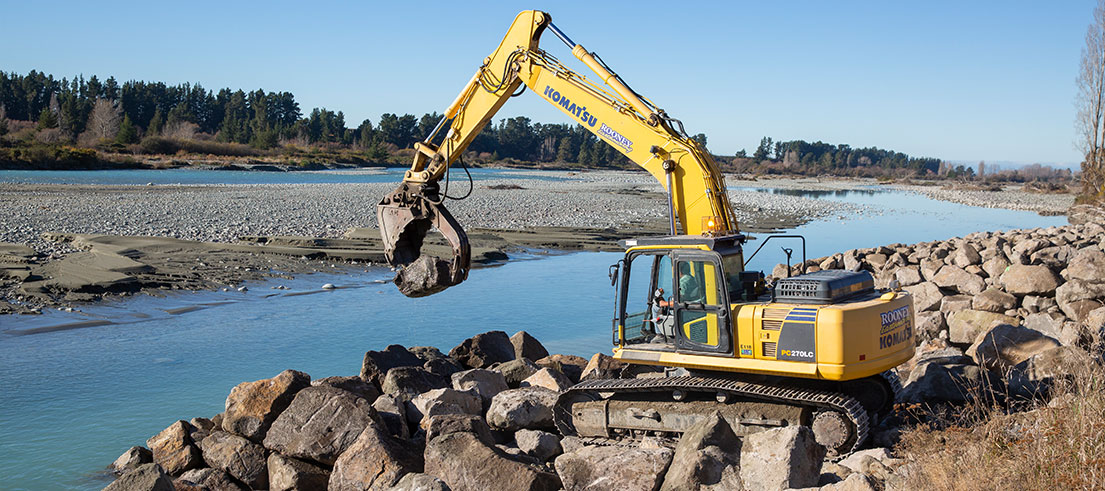
Welcome to Waitaha Canterbury, home to more than 60 percent of New Zealand's braided rivers and the highest assessed flood risk exposure in the country. The plains are made of what those rivers carried off the main divide, and they are still moving.
Two things this morning: the season ahead, and the politics. Only one of them is negotiable.
Earth Sciences New Zealand declared El Niño in July and expects a very strong event peaking around November, with no return to neutral before autumn 2027. You read those signals better than I do. Here it means dry and windy on the plains, fire risk in the east, and an active westerly pattern feeding rain into the headwaters. We could be managing irrigation restrictions and a flood response in the same catchment in the same week. Some of you will face the mirror image of that.
On the politics, the change we have been talking about for two years has arrived. The Emergency Management Act came into force on 4 September. The Planning and Natural Environment Bills have passed their third reading, with transition now running through to early 2031. Eighteen Head Start proposals are with Cabinet, two involving Canterbury councils, and decisions are due before Parliament rises for the election on 7 November.
So there will be no settled picture before Christmas. The real risk in a programme this size is not the policy design. It is that the cost of implementation quietly transfers onto operational teams, and you absorb structural uncertainty on top of a full delivery programme in an El Niño summer. Elected members around the country know that, and we will do what we can to keep it off your desks.
Which brings me to Wellington, and the ask.
Since 2021 this work has been funded through four separate tranches, $659 million of Crown co-investment, each round argued on its own merits and uncertain until the announcement. That has delivered a great deal, but it is no way to plan thirty year infrastructure.
So we are no longer asking for another tranche. We are asking for permanent, baselined co-investment. $240 million a year from the Crown alongside $160 million from councils, on the same 60/40 split that has worked every time so far. A three yearly government policy statement, a prioritised national pipeline from the sector in response, annual drawdowns through normal Budget processes. It is the land transport model applied to flood resilience. Deliberately unexciting, because it is machinery of government that Ministers and officials already understand.
You built that case and it holds up. At least five dollars back for every dollar in, against an average $446 million a year in flood damage to critical infrastructure alone. The Crown pays for recovery whether or not it pays for resilience. We have met representatives from across Parliament and nobody argued with the evidence. Where views differ is on quantum and timing, and that is a solvable argument.
But the thing most likely to sink this is not Wellington. It is us.
Sixteen councils asking sixteen slightly different questions is how a sector gets ignored. If each of us arrives with our own version of the ask and our own priority project, we hand officials every reason to defer the lot and deal with it case by case, which is the arrangement we are trying to leave behind. So we tighten the ask and we hold one voice. Same number, same mechanism, one national pipeline with each council's projects inside it rather than competing alongside it. That discipline is a political job, not an operational one. It sits with me and my counterparts, and you should expect us to hold it.
The other half of that common voice is delivery, and that part is yours. No argument I make in a Minister's office is worth as much as an example of your work holding.
In July, Kaikōura had one of its most significant river events in decades. Water was overtopping the Kōwhai stopbank before the rain eased. Six priority repair sites are now complete, gravel is out of Lukes and Floodgate Creeks, channel works done at Harnetts. The network protected the key parts of that community, and the margin was thin. Both halves of that sentence are the case for investment. That is the argument that cannot be talked down. Not the business case. The stopbank that held.
So: one voice on the ask, and delivery on the ground. We will make the same case in the same terms to whoever forms the next government, because the rivers do not care about the result.
Thank you again. You are in good hands with Leigh and the team for the next two days.