
[ad_1]
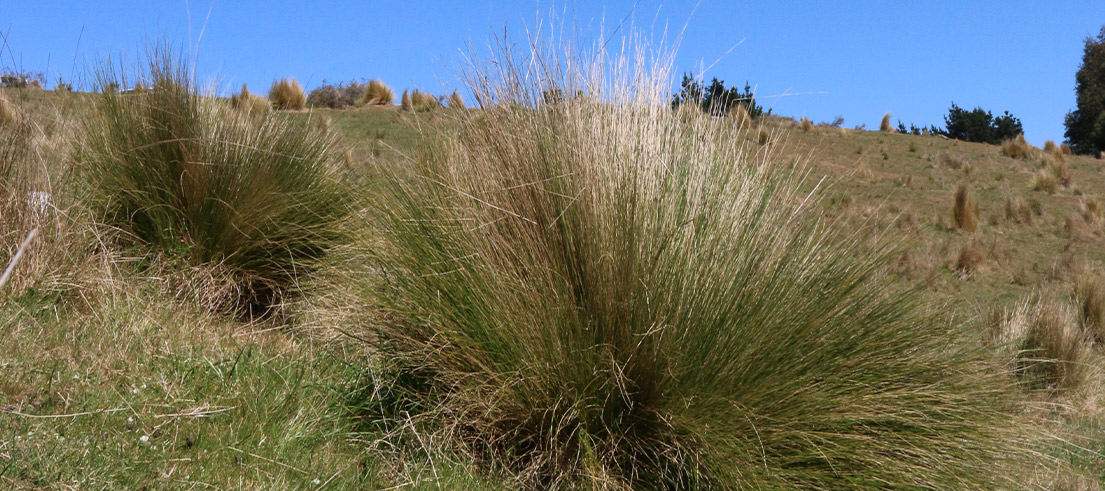
Modelling shows pest plant habitat likely to increase
Pest plants such as nassella tussock could become more widespread in future years, as Canterbury becomes warmer and drier.
While many of New Zealand’s invasive plant species are already in Canterbury, longer growing seasons and seeding periods, fewer frost days, and a more suitable habitat means they could eventually feature more heavily on our landscape.
Landowners should think about actions they can take now to help protect their assets down the track.
Weather changes increases pest habitat
During drought, the pasture opens up – creating more bare patches and enabling weeds to germinate seed come autumn. These pests then establish on those bare areas, outcompeting desirable pasture.
Some emerging species (both plants and animals) that have not been much of an issue in previous decades, including so-called ‘sleeper weeds’, may become a problem. We may see an increase in woodier species, like gorse and broom with seeds that live for longer or remain dormant in the soil, and other prolific seeders such as exotic grasses or herbaceous species.
In addition, pests currently contained in one local area might spread as conditions become favourable. For example, the ability for velvet leaf seed to germinate in soil currently stops somewhere around Mid to South Canterbury, but the line will likely move south.
[ad_2]
Source link