
[ad_1]
The women helping Waimakariri’s water quality
Dr Judith Roper-Lindsay and Wendy Main recently completed their tenure on the Waimakariri Water Zone Committee after serving 10-years and three years, respectively. In that time, they have seen many changes and also helped inform some important decisions for their zone. They talk about their experiences below.
Dr Judith Roper-Lindsay
Dr Judith Roper-Lindsay
What inspired you to join the committee?
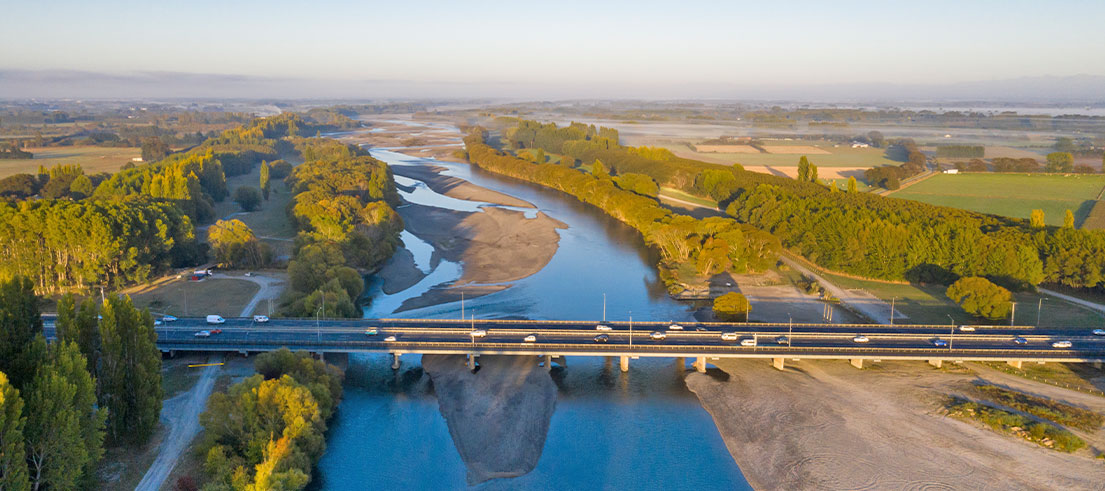
I’ve lived in the district since 1984 and for most of that time I crossed the Ashley River every day for work. For a long time, I was too busy with work to properly get involved with local issues. Once I retired, I was free to get involved in local biodiversity things. I knew about the Canterbury Water Management Strategy (CWMS), so when the water zone committee’s refresh happened I thought that was a good time to get involved, so I put my name forward.
What have you learnt from your time on the committee?
I’ve learnt a lot about the district from my time on the committee and in particular, for me as a sheep farmer, about the practicalities of dairy farming. Particularly through developing the Zone Implementation Programme Addendum (ZIPA) which lead to the plan change (to the Canterbury Land and Water Regional Plan). There were copious reports on nutrient processes and the effects of dairying on surface and groundwater. The committee has also taught me a lot about the diversity of people and their values. And lastly, the interaction between politics and environmental management.
What would your advice be to anyone thinking about joining a water zone committee?
Be very open-minded. I hope I was; you need to be to listen to all the viewpoints you’ll be presented with. There is plenty to debate around the committee table and there are always lots of strong voices, so be confident about why you’re there. Having appointed you as a committee member, Environment Canterbury and the Waimakariri District Council have confidence that you’ve got something to offer – don’t be frightened to offer it.
What are you most proud of from your time on the committee?
It’s very much a team committee, but I am proud that I was able to help raise the profile of indigenous biodiversity and ecological processes, which was eventually included in the plan change. I’m also proud that we now have the Waimakariri Biodiversity Trust – that formed through the work of the Zone Committee.
What was the biggest challenge you faced?
There was a hiatus after the zone committee handed over the ZIPA to Environment Canterbury. After years of such focused work, I found it difficult to see how that committee could continue to advise on water management. However, the development of community trusts and projects filled the gap.
What is next for you?
The Waimakariri Biodiversity Trust – which I now chair – and which was developed by the committee. We are now a charitable trust and have funding support from Environment Canterbury and the Waimakariri District Council to appoint a coordinator and establish a role in the district.
Is there anything else you’d like to add?
I think a review of the Canterbury Water Management Strategy (CWMS), its implementation and zone committees could be beneficial, to assess whether they are still the right vehicle for these changing times. With so many regulatory changes in progress, it may not be the best timing for this, but I think a more focused approach could help achieve better environmental outcomes.
[ad_2]
Source link